
History and Tourism
- Home
- /
- history and tourism
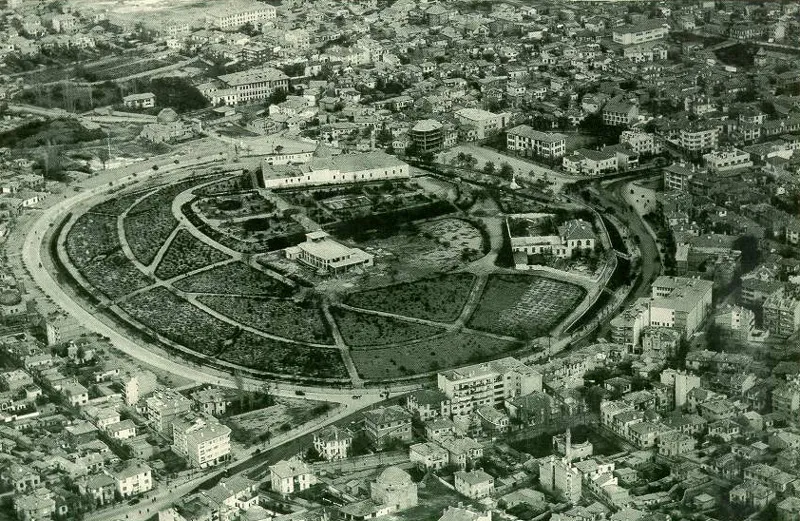
Konya, Turkey
Konya: From the Past to the Present
Konya is one of the few cities whose name has remained virtually unchanged over the centuries, and there are various accounts regarding the origin of this name. According to one of these accounts, the name “Konya” is derived from the word “ikon,” meaning “sacred image.” Another legend states that a monument erected in honor of a hero who slew a dragon threatening the city was named “İkonion,” and that over time, this name evolved into “Konya.”
Throughout history, Konya remained under the rule of the Byzantine Empire until the 10th century. Following this period, the Seljuks, who arrived in Anatolia, defeated the Byzantines and conquered the city, marking the beginning of the Turkish-Islamic era in Konya and throughout Anatolia.
Konya, which has been home to various civilizations, experienced significant growth particularly during the Anatolian Seljuk Empire and served as the empire’s capital for a long time. Enriched by the architectural masterpieces built during the Seljuk period, the city flourished during what was arguably one of its most glorious eras.
During the same period, Konya became a major center not only architecturally but also culturally and intellectually, producing many poets, thinkers, and scholars. Additionally, prominent Sufi mystics such as Bahaeddin Veled, Mevlana Jalaluddin Rumi, and Shams-i Tebrizi lived here and produced their most significant works. Remaining under Seljuk rule for approximately 211 years, the city evolved into one of the most advanced settlements in Anatolia during this period.
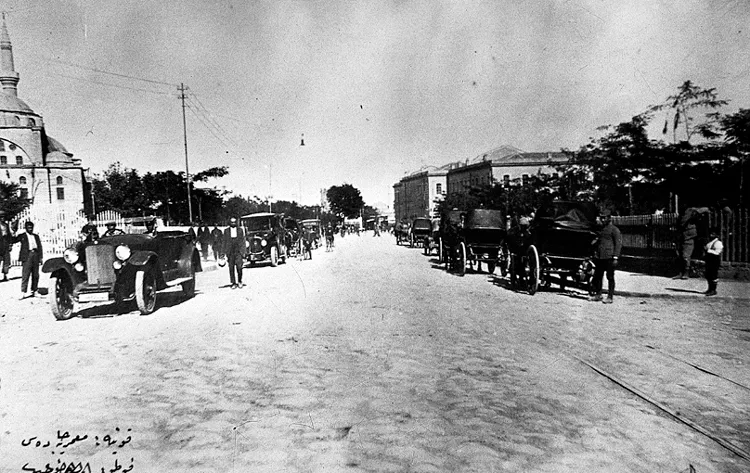
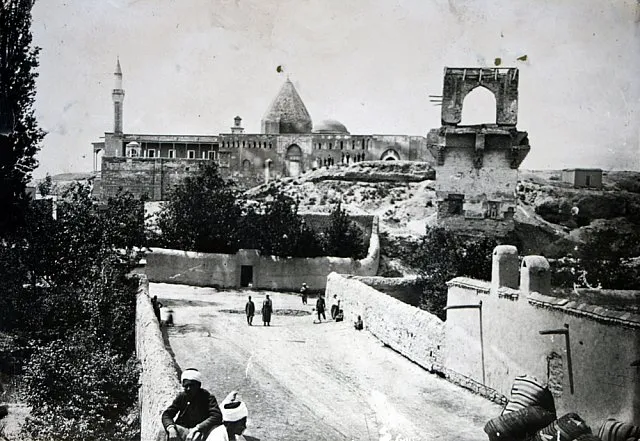
Konya came under the rule of the Karamanid Beylicate in 1277 and was later incorporated into the Ottoman Empire when Fatih Sultan Mehmet put an end to the beylicate. Designated as the capital of the Karaman Province, established in 1470, the city maintained its administrative importance even after the province’s name was changed to the Konya Province during the Tanzimat era.
Today, Konya is one of Turkey’s leading cities, with a total area of approximately 38,873 km² and a population exceeding 2 million. Having been granted metropolitan city status in 1989, Konya continues to develop through its central districts, including Selçuklu, Meram, and Karatay.
Konya’s Tourist Attractions
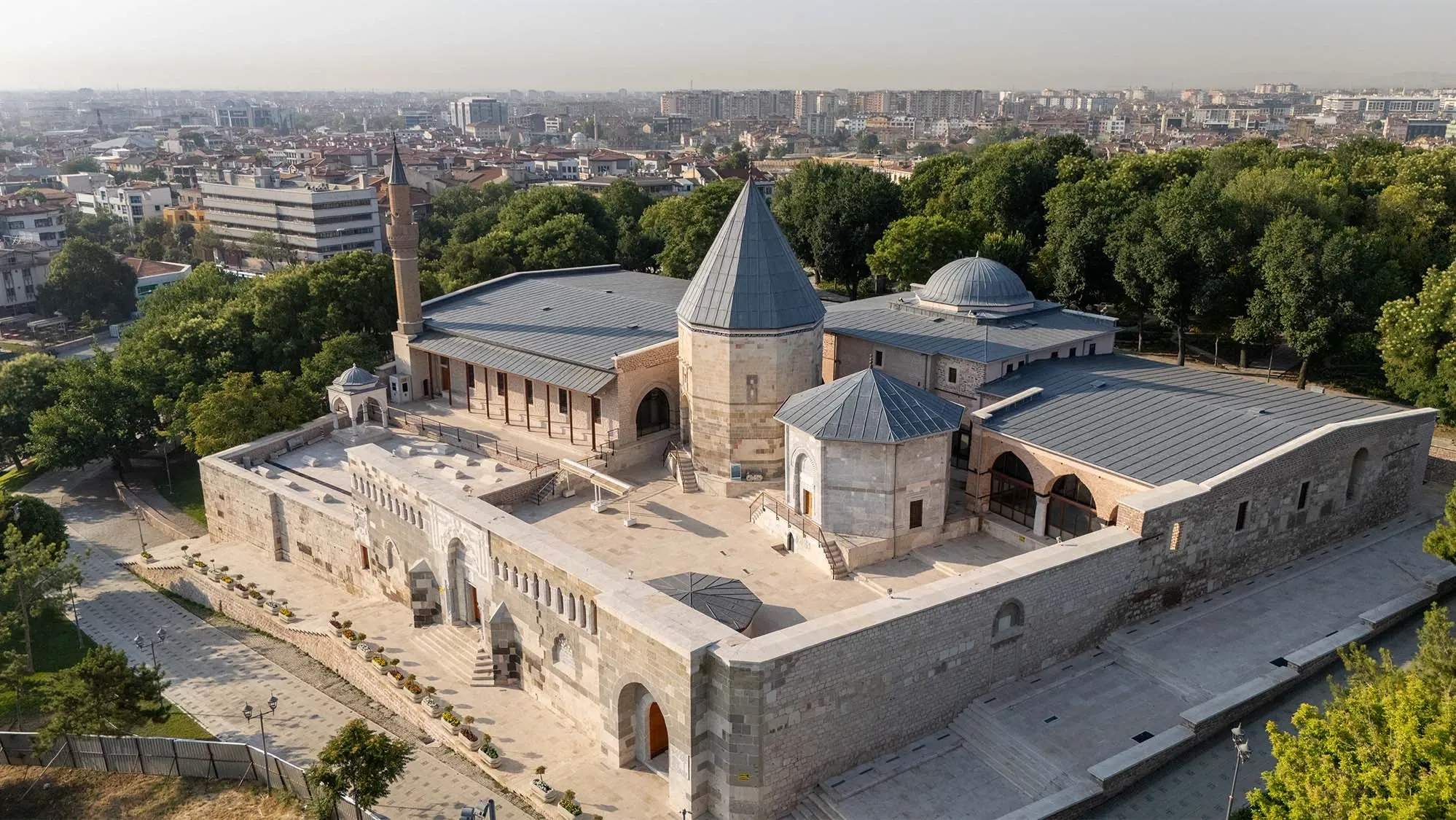
Alaeddin Mosque
One of the largest and most significant places of worship from the Anatolian Seljuk period, the mosque is situated on Alaeddin Hill. Reflecting the characteristic features of Seljuk architecture, the structure is among the city’s most striking historical landmarks.
Mevlana Mausoleum and Mevlevi Lodge
This complex, closely associated with Mevlana Jalaluddin Rumi, is one of Konya’s most visited sites. While the museum section displays valuable manuscripts and historical artifacts, the mausoleum houses the tombs of Mevlana and his close relatives.
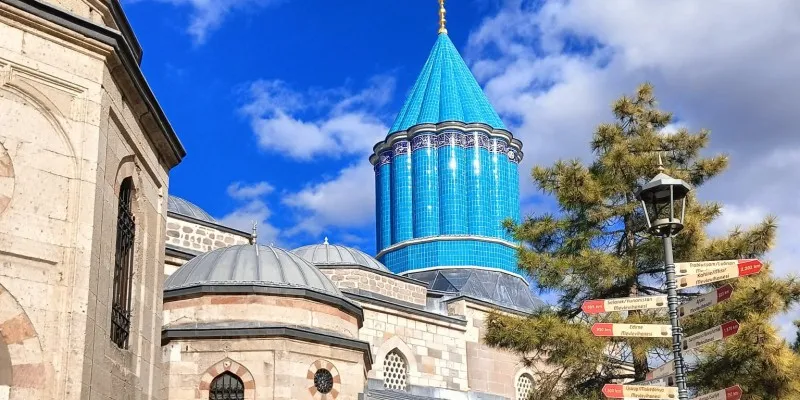
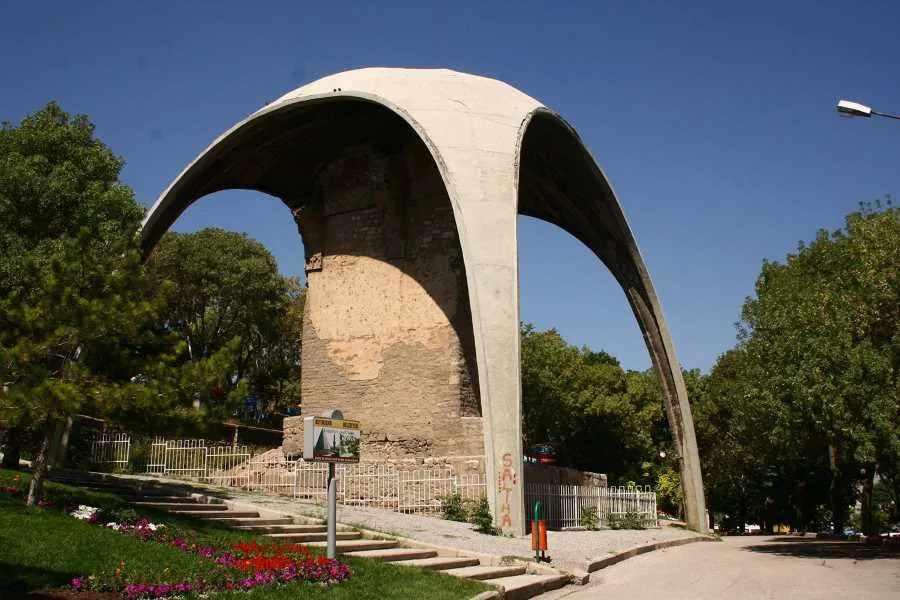
Kılıçarslan Mansion
The surviving ruins of this structure, built by Kılıçarslan II in the 12th century, were restored and renovated during work carried out between 2015 and 2018.
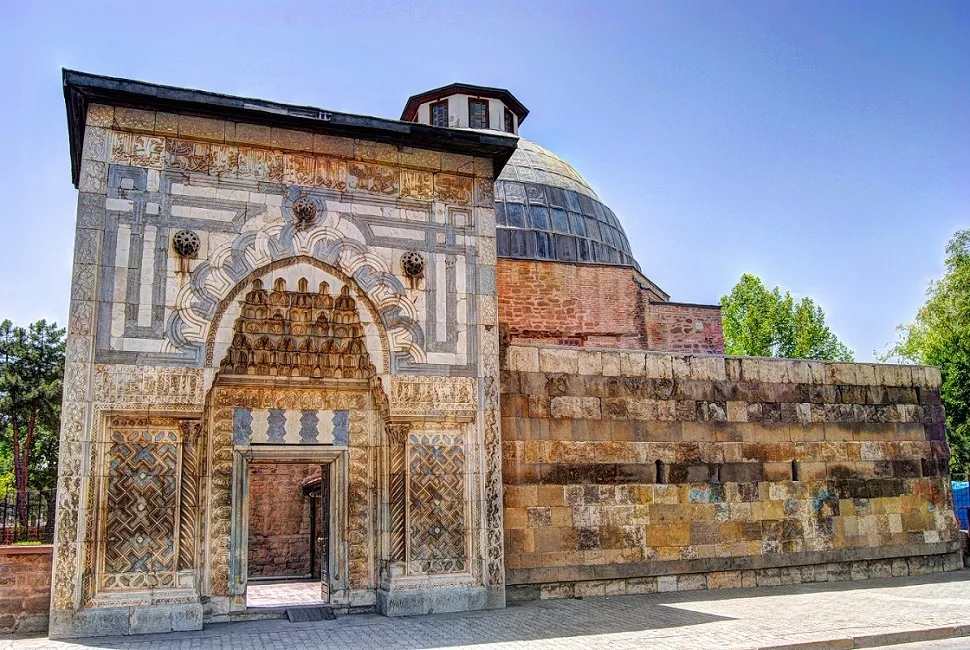
Karatay Madrasa
Built in 1251 by Emir Celaleddin Karatay, the madrasa is one of the most significant educational structures of the Seljuk period. After lying unused for a long time, it now serves visitors as the Museum of Ceramic Art.
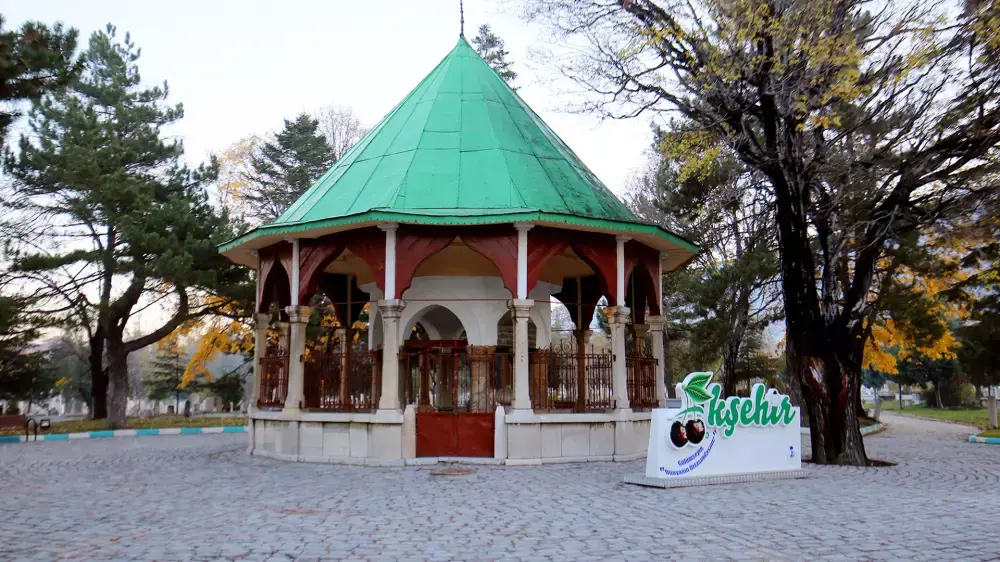
The Tomb of Nasreddin Hoca
The tomb of Nasreddin Hoca, known for his quick wit, is located in Akşehir, his birthplace, and is one of the region’s major tourist attractions.
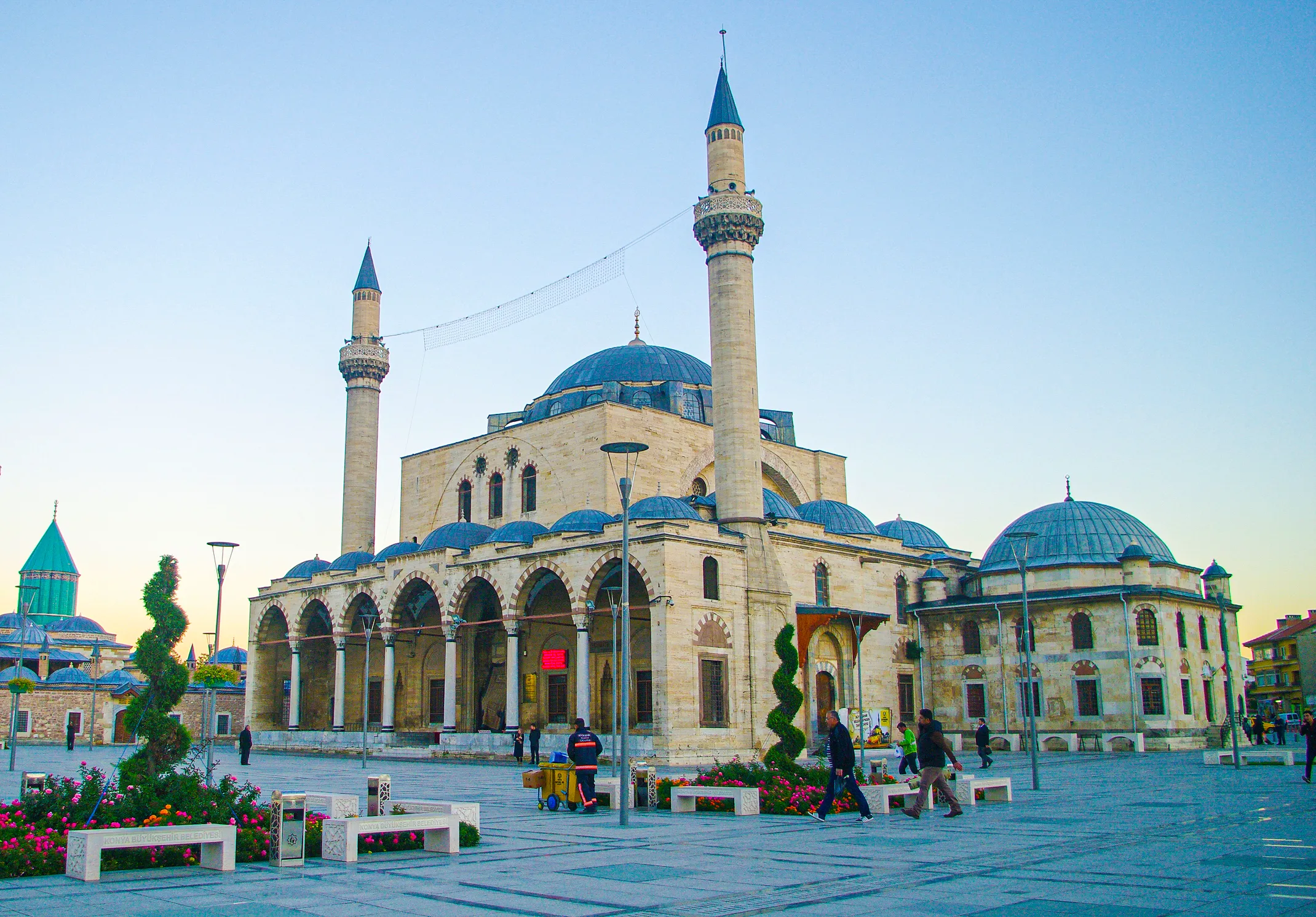
Selimiye Mosque
Construction of this structure, which began during the reign of Selim II, is one of the most significant examples of Ottoman architecture in Konya. It is believed that the building may be the work of Mimar Sinan.
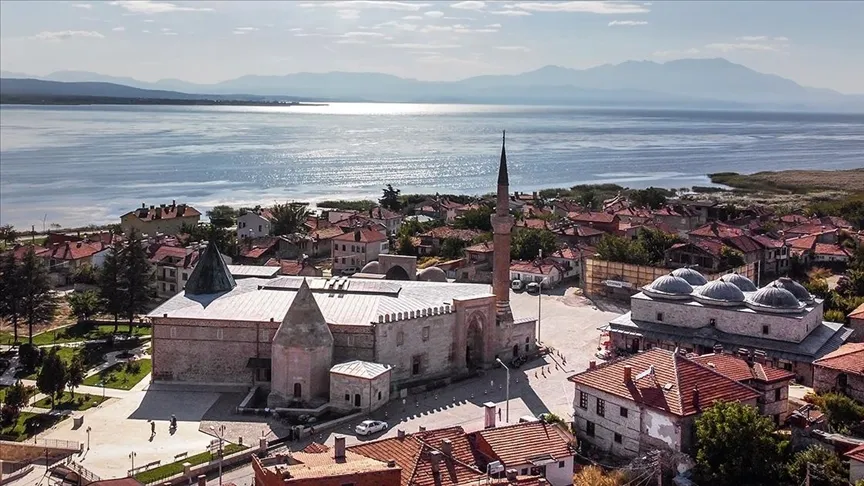
Eşrefoğlu Mosque
Located north of Lake Beyşehir, the mosque was built in 1299 by Eşrefoğlu Süleyman Bey. It is one of the significant structures that continue the Seljuk architectural tradition.
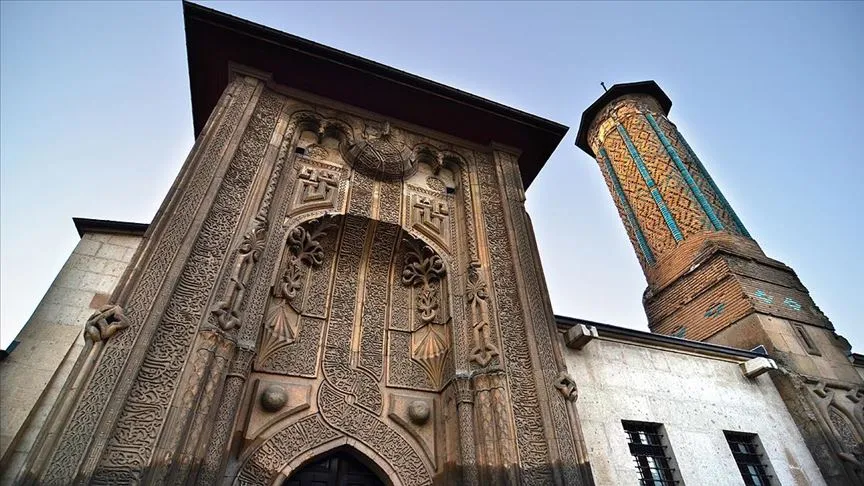
The Medrese with the Slender Minaret
Located west of Alaeddin Hill, the medrese was commissioned by Sahip Ata Fahreddin Ali during the reign of Izzeddin Keykavus II for educational purposes. The building, notable for the decorations on its main entrance, has been used as a museum since 1956.
Sectors
Contact Us
Our team is here to answer any questions you may have about Konya’s industry or exports.
Phone
+90 552 402 02 42
Frequently Asked Questions
What is the historical significance of Konya?
With a rich history spanning from the Byzantine era to the Seljuk period, Konya is one of Anatolia’s most significant historical cities. In particular, its role as the capital of the Anatolian Seljuk Empire sets the city apart historically.
Why is Konya a popular destination for tourism?
Konya is renowned for its historic buildings and its religious and cultural heritage. Thanks to major attractions such as the Mevlana Museum, it attracts significant interest in terms of religious and cultural tourism.
What are the most notable historical sites in Konya?
There are many monuments from the Seljuk period in the city. The Alaeddin Mosque and the Karatay Madrasa are the best-known among them.
When is the best time to visit Konya?
Konya is generally more pleasant to visit during the spring and fall months. Additionally, during the annual Şeb-i Arus Ceremonies, the city comes alive with a vibrant atmosphere, both culturally and touristically.